Skip Hire in Camden Town

Skip hire in Camden Town needs to be straightforward, tidy and suited to the work you are actually doing. Our service covers practical waste collection for household clearances, refurbishment waste, light construction debris and other everyday projects where a skip offers a sensible way to keep materials together. If you are planning a clear-out, a small building job or regular waste removal, the aim is to give you a clear choice of skip sizes and service options without overcomplicating the process.
We provide a commercial service focused on safe, lawful waste handling and dependable collection planning. That means the right skip needs to match the type of waste, the amount of material and the access available at the property or site. In many cases, customers are looking for a simple route to dispose of mixed rubbish, inert rubble, timber, packaging or general renovation waste. The pages below explain the main options in more detail, including hiring arrangements, permit information and pricing guidance.
For a quick start, think about the type of material first, then the volume, and finally where the skip can be placed. If you already know those three things, it becomes much easier to choose a suitable service. Ready to begin? Use the information on this site to narrow down the best option, then request a quotation when you are ready.
Choosing the right skip for the job
Matching the skip to the job is usually the most important decision. A domestic clear-out can call for a different approach from building waste, and a bulky load may need a larger container than a room-by-room declutter. We help customers compare the practical side of the job rather than guessing from the name of the waste stream alone. Where waste is mixed, it is worth considering whether items can be separated so that the load is easier to manage and may be handled more efficiently.
Our skip hire service is the main route for customers who want a conventional, flexible waste solution. For domestic projects, domestic skip hire suits many home clearances, while trade customers may prefer builders skip hire for construction and renovation waste. If you are unsure which route fits your project, looking at the service pages side by side can help you decide before you request a price.
Some jobs are best served by a different format altogether. For lighter or more irregular loads, you may prefer rubbish removal or wait and load skip hire, especially where keeping a skip on site is not the most practical choice. Take a moment to compare the options. A good match at the outset can save time later and reduce the risk of arranging the wrong collection method.
Domestic and household waste options

Households often need waste support for spring cleaning, moving out, loft projects or room refurbishments. The work can include old furniture, broken fittings, packaging, general rubbish and a modest amount of mixed material from maintenance jobs. Our domestic-focused pages are set out to help you choose a suitable service without having to overthink the details. The key question is whether the waste is mainly general household material, or whether it contains items that need a more specific disposal route.
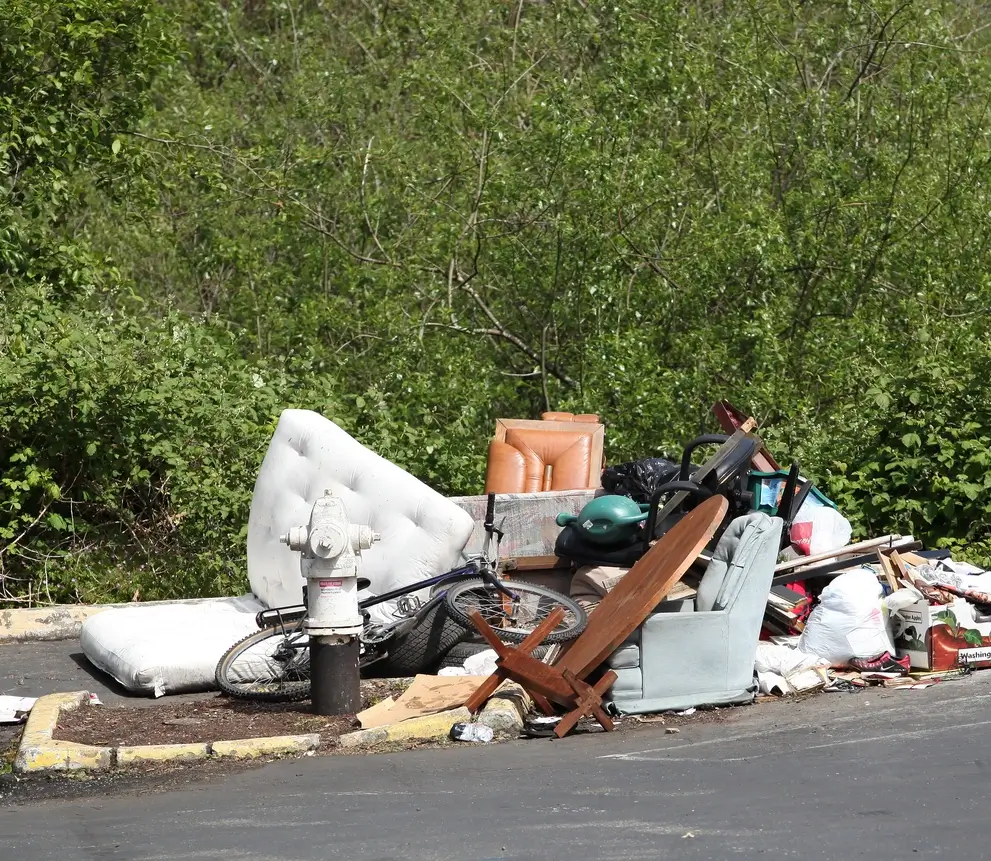
For larger clear-outs, house clearance is designed around removing domestic contents in a managed way, while garage and loft clearance is useful when the space itself has become the main problem. If the project involves older household items, mattress and sofa disposal and fridge and appliance removal provide more specific routes for bulky pieces that are awkward to move as part of general waste.
It often helps to separate the likely contents into broad groups before requesting a quote. That simple step can make it easier to identify whether a skip, a clearance service or another collection type is more suitable. If you have a few heavy items alongside lighter waste, make a note of both. Use the most accurate description you can. It helps keep the service matched to the actual load rather than to an estimate that is too broad.
Builders’ waste and renovation debris
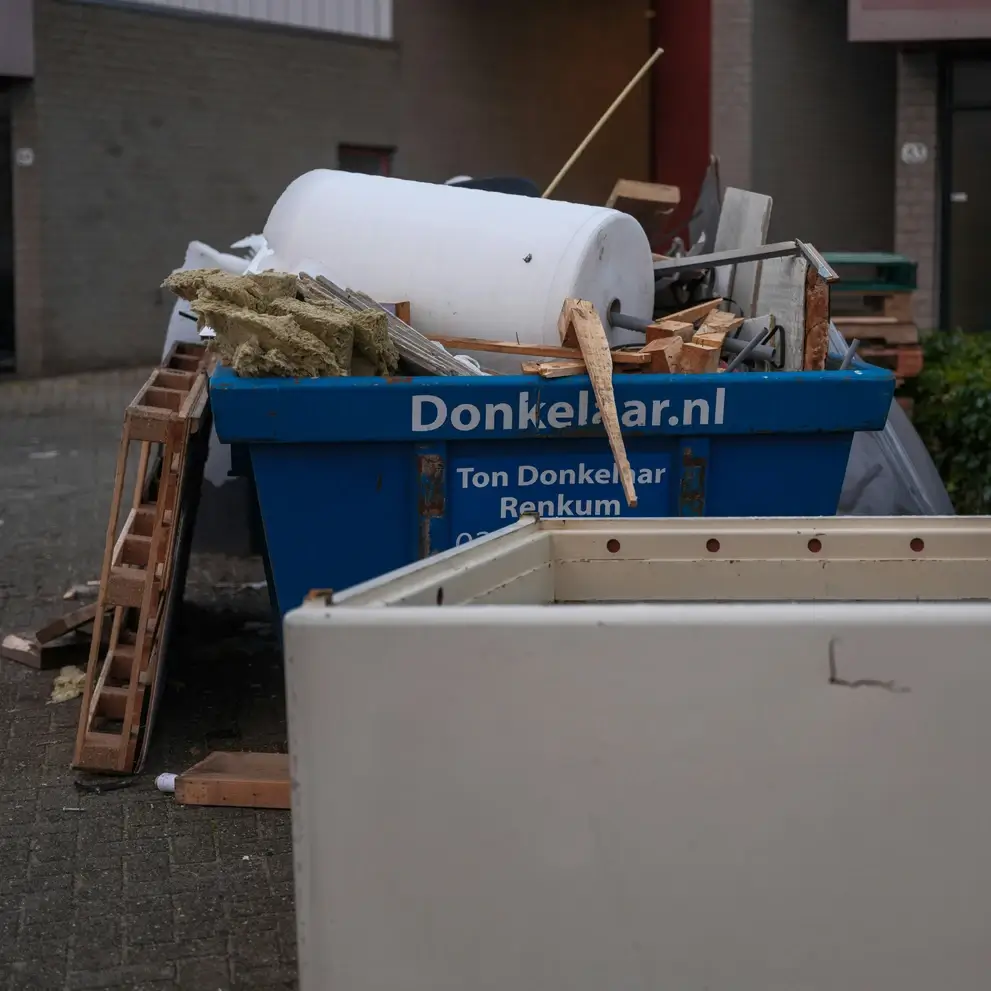
Building and refurbishment projects produce waste that is often heavier, dustier and more varied than general household rubbish. Brick, rubble, timber offcuts, packaging and broken fixtures can all build up quickly when work is underway. For that reason, customers often need a skip service that is comfortable with mixed renovation debris, while also keeping the collection process simple enough not to interfere with the job. The best option usually depends on how much waste is generated and how quickly it accumulates.
Related service pages such as construction waste disposal, construction waste clearance and demolition waste removal cover different stages of the same broad type of work. Smaller site tasks may be suited to site clearance, while builders waste removal is a practical option when waste needs to be dealt with as part of an ongoing project rather than left in place for long. These options are useful for customers comparing whether a skip or a collection-led service is the better fit.
When the waste includes soil, heavy spoil or other bulky material from groundwork, the selection may move towards a more specialist route. The page for muck away services covers that kind of load, while grab hire services and grab lorry hire can suit jobs where fast loading and removal are more suitable than leaving a container on site. Choose the route that fits the material.
Access, permits and placement
Where the skip can go matters just as much as what goes inside it. Narrow roads, limited driveways, shared access and parking controls can all affect the best arrangement. For some properties, a skip on private ground is the simplest option; for others, the placement needs careful consideration because the roadside or pavement may involve permit requirements. It is worth thinking about whether the container can be positioned so that loading is safe, convenient and does not block normal use of the space.
Useful guidance is available on skip permits and skip hire permits, which are relevant when the skip has to be placed on the public highway. If access is limited or the waste needs loading directly into a vehicle, wait and load skip hire may be the more practical answer. In some settings, an enclosed and lockable skip hire option can also be worth considering where the contents need extra containment.
For a smooth enquiry, it helps to know the approximate placement location, whether the skip is going on private land or not, and whether there are height, width or turning restrictions. Those details do not need to be perfect, but they do need to be sensible enough to guide the right recommendation. Give us the layout as clearly as you can. That is often the difference between a quick quotation and a slower one.
Skip sizes, pricing and service planning

Choosing a skip is rarely only about size. The right choice also depends on the type of waste, how dense it is and how the work will unfold over time. A compact project might generate bulky but light waste, while a smaller-looking refurbishment can produce heavy materials that fill a container sooner than expected. That is why customers are encouraged to think about the amount of material, the likely mix and the pace of the job before requesting a price.
The pages for skip sizes and prices and pricing and quotes are useful if you want to compare options before making a decision. We also provide same day skip hire information for projects where timing matters, although the best service still depends on the load and the location. If you are working to a schedule, it is usually better to consider the size and access early rather than leaving it until the waste is already piling up.
Price is normally influenced by a few practical factors: the volume of waste, its type, the length of hire or collection arrangement, and whether a permit or specialist handling is needed. Those are the main points to have in mind when comparing services. Ask for a quotation once the basic facts are clear. That makes the response more relevant and easier to assess.
Commercial and site-based waste management
Commercial customers often need waste solutions that sit comfortably alongside day-to-day operations. Offices, retail premises, managed buildings and work sites may each generate different types of waste, from fit-out debris and packaging to furniture or cleared fittings. A good skip hire arrangement should be practical for the space available, the waste produced and the timing of the work, rather than forcing the business to adapt around the collection. The more clearly the waste stream is defined, the easier it is to choose the right route.
For premises and workplace projects, commercial skip hire and office clearance are obvious starting points. If your work involves regular or large-volume disposal, site clearance can also be relevant, especially where the waste is scattered across a larger area. In some situations, man and van may suit mixed or lighter loads better than a skip, particularly where access or parking is more constrained than usual.
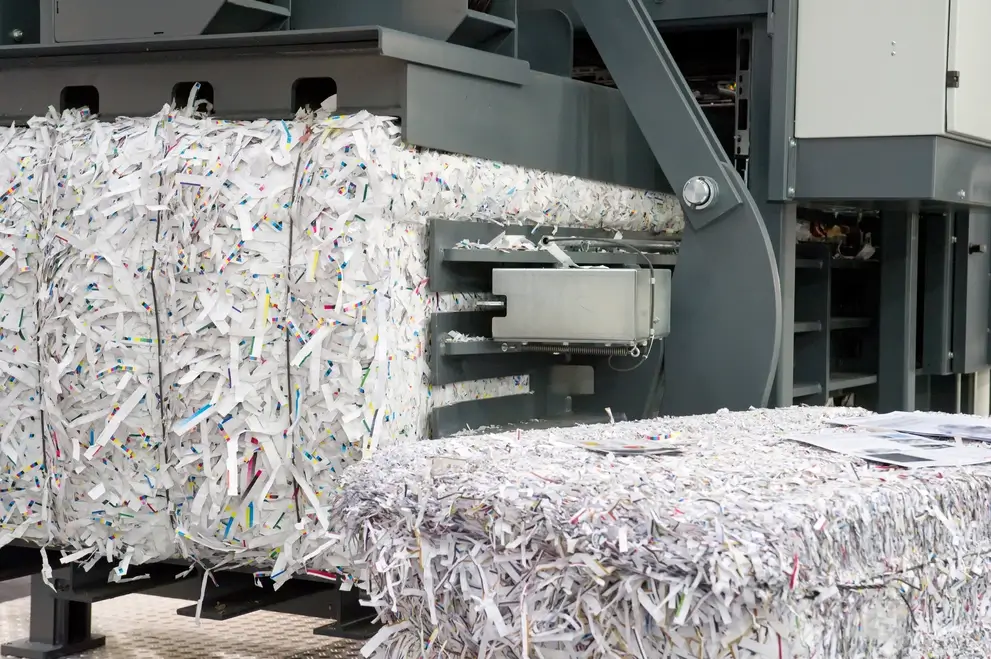
Where the waste includes confidential paperwork or specialist items, the service needs to be chosen carefully. Confidential shredding supports document disposal that needs a more specific handling route, while general waste still needs to be identified separately so it can be collected appropriately. Keep the different waste types distinct. That helps make the most suitable commercial option easier to arrange.
About Camden Town
Camden Town is a district in north London, closely associated with the Regent’s Canal, the market area around Camden High Street and the wider borough of Camden. It developed rapidly in the nineteenth century after the opening of the Regent’s Canal and the arrival of railway infrastructure, which helped turn the area into an important transport and trading corridor. That history still shapes the local street pattern, where waterways, bridges, railway lines and dense urban blocks sit side by side. The district is part of a wider part of inner London that includes residential streets, commercial frontages and entertainment venues, all within a relatively compact area.
The area is known for a strong mix of architecture and public character. Georgian and Victorian terraces appear alongside later commercial buildings and transport structures, while the canal corridor provides a distinctive route through the neighbourhood. Camden Lock is one of the best-known points on the canal, and the market area nearby has long been a focal point for visitors and traders. The surrounding streets are busy and varied, with a mix of independent businesses, food and drink venues, live music spaces and retail units that reflect the district’s long association with creative and commercial life. Nearby green space includes Regent’s Park to the south-west, which helps balance the dense urban grain with a major open area. Transport links are also a defining feature, with Camden Town Underground station serving the Northern line and making the district one of the more recognisable and accessible parts of inner north London. The result is a place with a layered identity: canal-side, market-led, residential and entertainment-focused all at once, with much of that character visible in the built environment and the rhythm of the streets.
Ready to compare the options? Use the service pages below to narrow down the right type of waste collection, then send through the details for a quotation.
Specialist disposal for awkward or separated loads
Some projects do not fit neatly into a standard mixed-waste pattern. Old appliances, damaged furniture, hazardous items and large isolated pieces all need a more careful approach than a general builder’s load. That is not because they are always difficult in themselves, but because the right service depends on how the item is classed and whether it needs handling separately. A good skip hire plan should take those distinctions seriously rather than treating every load as interchangeable.
If the waste includes items that cannot simply be added to a standard container, the relevant pages can help you identify the proper route. hazardous waste disposal is the clearest example, since certain materials require specific controls. For house contents that are too large or awkward for a mixed skip, house clearance, garage and loft clearance and fridge and appliance removal may be more suitable. The point is to match the service to the item, not to force the item into the wrong service.
Where waste streams need to be separated, a little planning can make the whole process cleaner. You may be dealing with a few reusable items, a few large broken pieces and a rest load of general waste. Sorting those categories before collection often makes it easier to keep the job tidy and avoid confusion later. Plan the load with care. It is usually worth the extra minute.
Recycling, disposal standards and working methods
Customers often want waste removed, but they also want confidence that it is handled in a proper way. Different types of material go through different disposal routes, and a skip service works best when the contents have been described accurately from the outset. That helps the waste be managed more appropriately and reduces the chance that a load arrives with items that need additional handling. Good planning is therefore part of the service itself, not just an administrative extra.
The pages for waste recycling services and recycling and sustainability explain the wider approach to disposal and recovery, while what can go in a skip helps customers check whether their material is suitable before loading begins. Where the waste is mixed, these resources are especially useful because they set out the broad categories clearly and reduce uncertainty. If your project involves repeated loads, those pages can also help you keep the process consistent from one collection to the next.
It is also sensible to think about how the loading will happen. Heavy items should be placed safely, loose waste should be kept manageable, and the contents should be organised so the skip can be used effectively. Order helps. It does not need to be perfect, but it does need to be sensible enough for collection and disposal to proceed smoothly.
Booking, payment and practical next steps

Once you have identified the right service, the final stage is to provide enough information for a quotation that reflects the job properly. The most useful details are the waste type, the approximate amount, the location for the skip or collection, and any access issues that might affect placement. That information lets the service team compare the available options and respond with a recommendation that is more relevant to your project. If the job is time-sensitive, include that as well so the arrangement can be considered in context.
For customers who want to progress quickly, the site pages for book online, contact us and about us provide the main routes into the service, while payment and security sets out the related practical information. If you prefer to work from a specific service page, you can also use the relevant skip or clearance section and then follow through with an enquiry once you have compared the options. Keep your request concise and accurate.
Requesting a quotation does not have to be complicated. A short description is usually enough to start, and any extra detail can be added if needed. The important thing is to choose the service that fits the waste, the access and the timescale, then move on to the enquiry stage with confidence. If you are ready, send the details now and ask for a quotation.